
The Era Of Quests:
Continuity, Ruptures, and Transformations

Yusuf Kazım Buyruk

Ahmet Tarık
Aksan
The Era Of Quests:
Continuity, Ruptures, and Transformations
Yusuf Kazım Buyruk
Ahmet Tarık Aksan
An Evaluation of the Workshop on
Periodizing Islamic Thought from
the 18th to the 21st Centuries
The “Workshop on Periodizing Islamic Thought from the 18th to the 21st Centuries” constitutes the inaugural phase of ISAM’s project titled The History of Verification-Based Conceptions of Islamic Thought between the 18th and 21st Centuries. Coordinated by Assoc. Prof. İbrahim Halil Üçer, this comprehensive project aims to examine the continuities, changes, transformations, and ruptures of classical and modern disciplines within the Islamic world during what is termed the “Era of Quests” (Arayışlar Dönemi). With this objective in mind, the project expands beyond the socio-political agenda that typically confronts readers inquiring about the nature of contemporary Islamic thought in existing literature. Instead, it poses a fundamental question: “What happened to the foundational disciplines of the Islamic intellectual tradition during the Era of Quests?” If this era is not to be viewed as an absolute rupture from the Islamic intellectual tradition, and if emerging developments are to be analyzed through a logic of continuity within processes of change and transformation, then a critical question arises: How did the primary scientific disciplines—through which Muslims apprehended reality—and the ideas constructed upon them undergo change, transformation, and dislocation during this period? This perspective places specific sets of inquiries at the heart of the project: How did the conception of nature (doğa tasavvuru) among Muslims change during the Era of Quests?
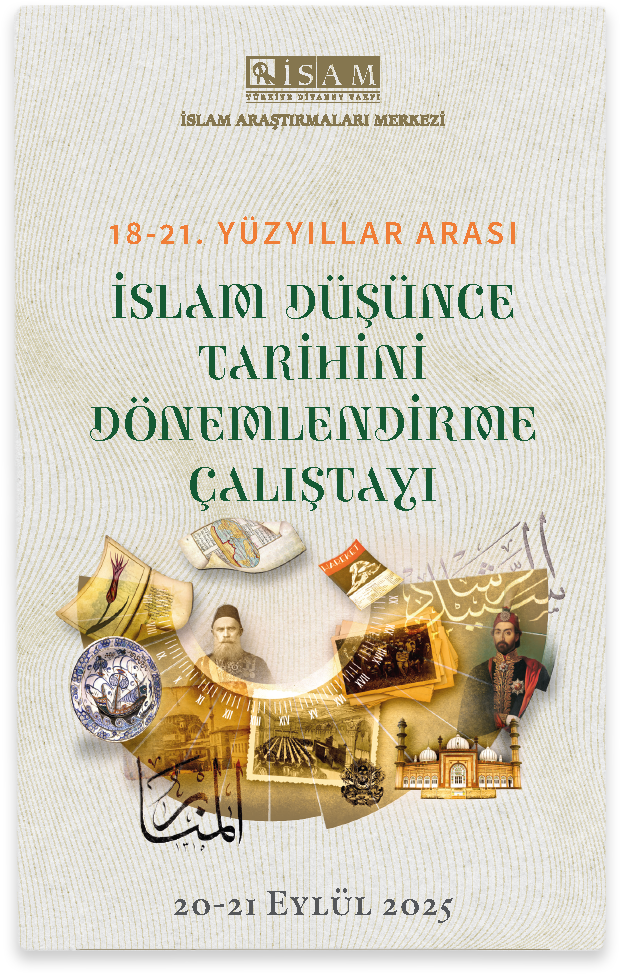
How was classical physics, which offered a nature-centered and teleological conception of the physical universe, transformed as the mechanistic conception became dominant in the modern educational institutions of the Islamic world? Similarly, what transformations did the discipline of logic undergo as the deductive method, based on the identification of universal natures and causes (illet), gave way to inductive, statistical, and mathematical methods? What is the nature of the shifts in Muslims’ conceptions of time and history when contrasted with the progressive understanding of history? What kinds of transformations did the sciences of jurisprudence (fiqh), Sufism (tasavvuf), speculative theology (kalam), exegesis (tafsir), and hadith undergo during this era? Furthermore, what processes of reception (alımlama) did the contemporary social sciences undergo—those which entered Islamic thought in the modern period and shaped the ways Muslim scholars conceptualize the individual, society, politics, and economics? How did all these factors alter the grasp of Muslims regarding the historical-social realm of existence? Due to these questions, the project deems it essential to focus on the continuities and transformations between the constitutive scientific disciplines of the Islamic intellectual tradition and the modern disciplines that mediated scientific production in the Islamic world during the modern era.
A distinguishing feature of the project is its treatment of the fundamental elements accompanying knowledge production between the 18th and 21st centuries—such as sciences, scholars, ideas, theories, texts, institutions, schools and movements, historical processes and events, and socio-political-economic conditions—through a specific methodological lens termed the “Methodology of the History of Verification-Based Conceptions” (tahkik temelli tasavvurlar tarihi metodolojisi). By uncovering the conceptions (tasavvurlar) that encompass ideas, scholars, concepts, various types of knowledge, scientific disciplines, beliefs, and the concrete tools involved in their formation and circulation—directing their functioning in this specific manner and no other—this methodology aims to: Identify their continuities and transformations through the elements they contain. Evaluate these changes, transformations, and ruptures around the criteria of verification (tahkik). Born from the need to follow a methodology suited to its own object of study and objectives—while considering the possibilities and limitations of approaches such as the history of ideas, intellectual history, the history of concepts, the history of knowledge, and the history of science and philosophy—this approach elevates the work beyond an encyclopedic framework, endowing it with the identity of a historiographical project.
Simultaneously with methodological discussions and content planning, one of the primary steps taken during the project has been the meetings regarding the periodization of Islamic intellectual history between the 18th and 21st centuries. Periodizing history undoubtedly offers significant opportunities for researchers attempting to understand it from today’s perspective; however, it also entails inherent challenges. While these difficulties are numerous, mentioning a few will suffice to clarify the issue:
- Varying Rates of Transformation: The pace of change and transformation occurring within different geographies, political structures, or scholarly traditions in the past varies. In some instances, rapid and sudden transformations occurred over a short period, while in others, a stagnant course spread across long durations. Consequently, attempting to periodize all these historical experiences using the same criteria will inevitably lead to incomplete or erroneous conclusions in the interpretation of the past.
- Multi-layered Structure of History: History, much like contemporary society, possesses a multi-layered structure. Changes occurring on different planes—such as the social, scholarly, educational, and political layers—proceed at different speeds. However, in historical periodizations, disproportionate importance is sometimes attributed to only one of these layers, particularly the political one.
Indeed, a similar pattern is encountered in the historiography of recent Islamic history. As emphasized in the project, the dominant approach in the literature regarding the Era of Quests (18th–21st centuries) is largely centered on the political layer. This tendency leads to the obscuring of epistemic transformations within the Islamic scholarly tradition, thereby diminishing the visibility of these crucial shifts.
This situation can be substantiated through the example of Ottoman historiography. In studies concerning Ottoman history, particularly regarding the 18th and 19th centuries, certain events and concepts such as the Tanzimat Edict, the Reform (Islahat) Edict, the First and Second Constitutional Eras, and the Kānûn-ı Esâsî (Basic Law) come to the fore. Almost all of these events are reflections of the political developments of the period. Consequently, prioritizing such political concepts in historical narratives causes other social, scholarly, or cultural developments to remain in the background, appearing insignificant.
However, when these periods are examined in depth, it may emerge that the phenomena relegated to the background possess a historical significance that transcends the myths of political periodization. Indeed, the mektep-medrese dichotomy (the dualism between modern and traditional schools) that became apparent in the late 18th century is a structural issue inherited not only by the final century of the Ottoman Empire but also by the early period of the Republic of Turkey. Nevertheless, the acceptance of political events as the primary element determining the historical process in narratives causes these epistemic and institutional layers to become invisible. In this context, the primary objective of the project is to render visible the layers that have remained in the dark during the phase of Islamic intellectual history termed the Era of Quests. In other words, the project aims to question the one-dimensional (politicocentric) approach commonly adopted in historical periodization and to develop a multi-layered reading of history.
Revealing the ruptures, changes, and continuities that occurred between the 18th and 21st centuries offers significant contributions from various perspectives. Above all, this initiative demonstrates the necessity of analyzing the serencam (unfolding journey) of the Islamic scholarly tradition—the effects of which continue today—without subjecting it to the conceptual and periodization templates of the dominant Western paradigm. Indeed, the Western-centric historical paradigm is often constructed as the progress of the West and the effort of other societies to catch up or adapt to this progress; accordingly, it builds historical periodizations largely through the breaking points determined by this paradigm. For instance, the universalization of periodizations pointing to breaking points specific to Western history, such as the Renaissance or the Reformation, to all of world history clearly reveals the methodological limitations and reductionist aspects of this approach.
The Project for the History of Verification-Based Conceptions of Islamic Thought between the 18th and 21st Centuries addresses the Islamic intellectual tradition in its epistemic and methodological dimensions. It examines the internal transformations this tradition underwent through the conceptual framework and historical experience of the Muslim intellectual subject. This approach enables a re-evaluation of Islamic intellectual history through an authentic and internal perspective for the first time. As a result of such an intellectual reckoning, a kind of “intellectual compass” (düşünce pusulası) will emerge to help understand the intellectual trajectory of the Islamic world. This compass will allow Muslims to determine their current positions regarding both modern and traditional disciplines and, moving from this position, to determine their future direction.
In this context, it is pertinent to briefly mention some of the prominent characteristics of the project. First and foremost, the project aims to offer a holistic perspective on the sciences, irrespective of field. As a requirement of this holistic approach, numerous areas such as politics, philosophy, kalam, hadith, the history of science, tafsir, and art will be evaluated within the scope of the study. Secondly, the transformations under investigation will be addressed not only through texts or works but also through multi-faceted elements such as scholars, concepts, and institutions. In other words, the changes and transformations experienced will be rendered visible in a multi-layered manner through different indicators. This approach will ensure that the periodization process is established on a more robust theoretical foundation and is more strongly linked to historical reality.
To realize such a large-scale and comprehensive project, certain intellectual and institutional requirements must undoubtedly be met. Foremost among these is the harmonious cooperation of expert academics and researchers. As previously noted, the project’s content covers a broad disciplinary spectrum ranging from traditional Islamic sciences to modern social sciences. Additionally, the project addresses not only the transformation processes of the sciences themselves but also the shifts in the epistemological and conceptual foundations upon which these sciences are built. Consequently, the nature of the study necessitates an interdisciplinary approach.
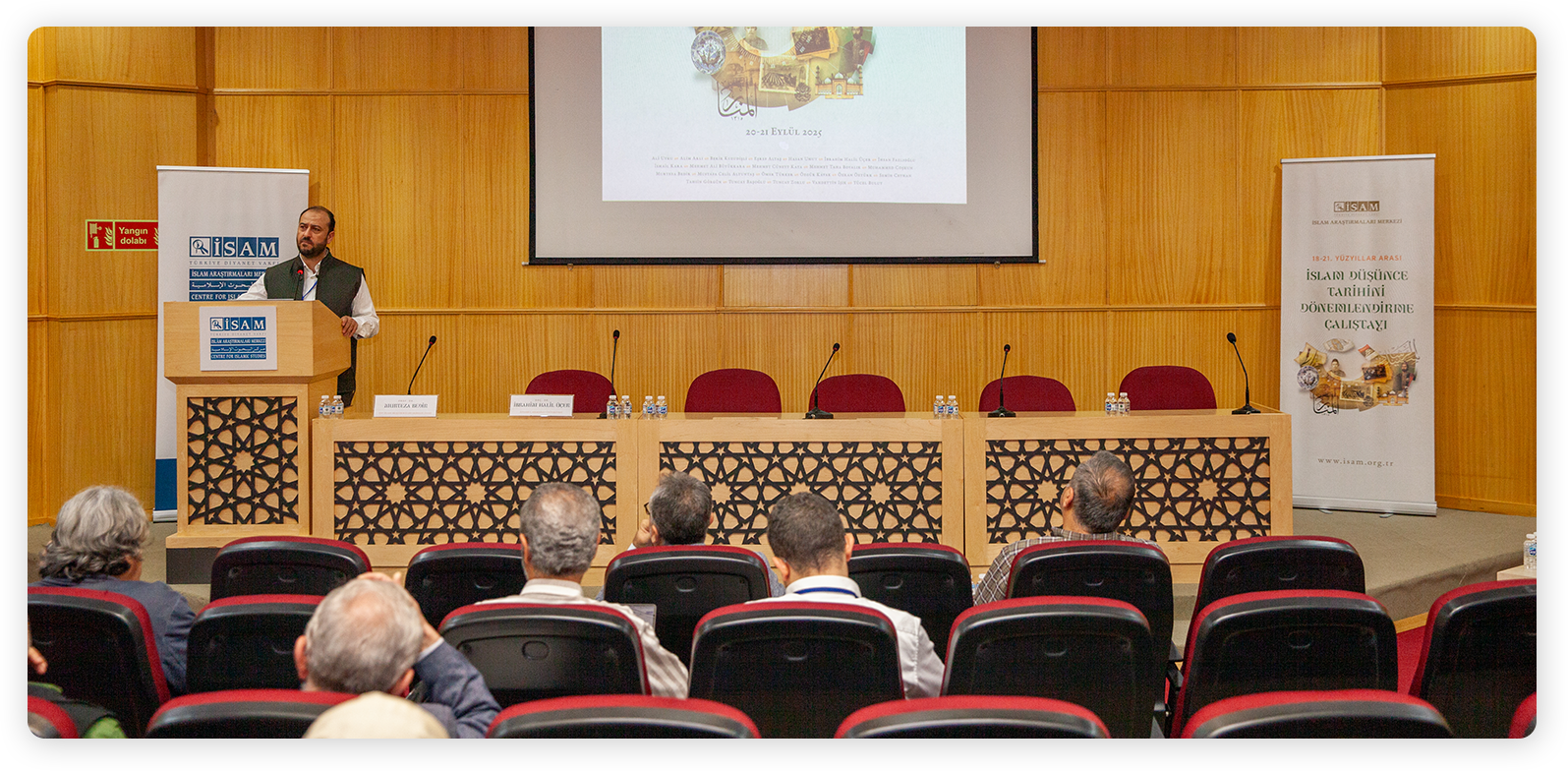
As the first stage of the project, a workshop closed to external participation was held on September 20–21, 2025, at the ISAM Dr. Tayyar Altıkulaç Conference Hall. During this two-day workshop, academics from various fields made significant intellectual contributions through their presentations and deliberations. The issues addressed and the presentations made during this workshop, which determined the project’s direction, underscore the meeting’s significance.
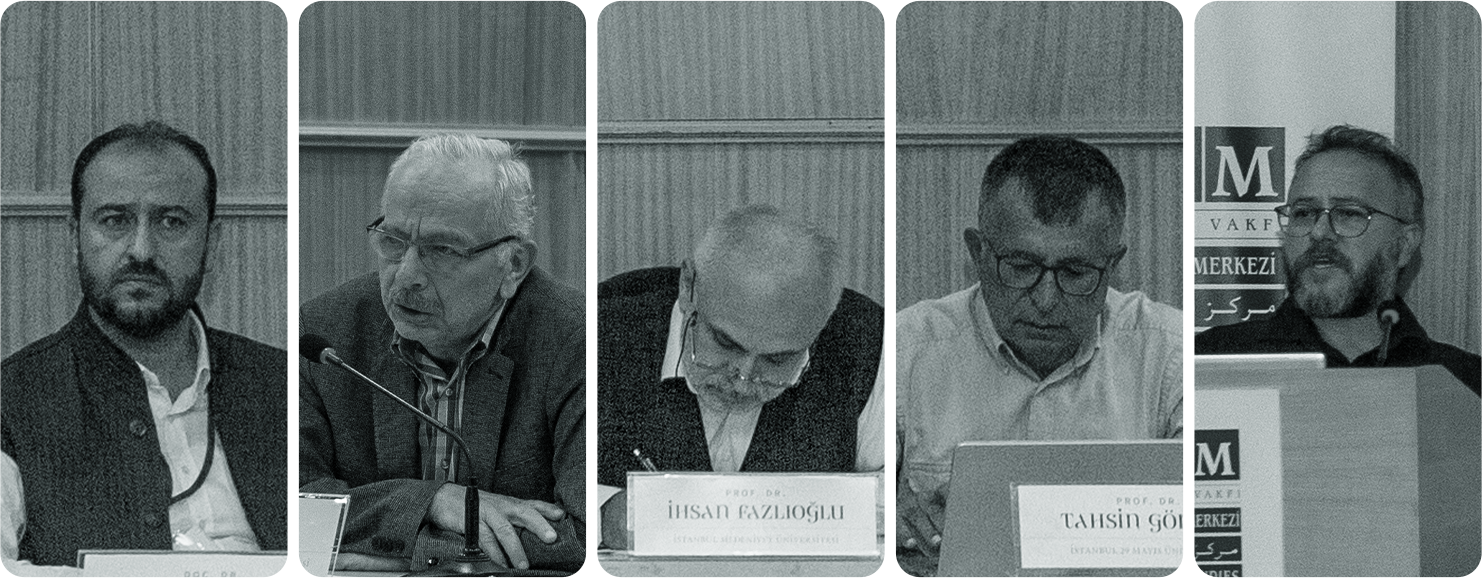
The workshop commenced with a welcoming address by Prof. Dr. Murteza Bedir, President of the TDV Centre for Islamic Studies (ISAM), followed by a brief presentation on periodization by the Project Coordinator, Assoc. Prof. İbrahim Halil Üçer. Following the opening, a panel discussion was held, moderated by Assoc. Prof. Üçer. The first speaker, Prof. Dr. İsmail Kara, contributed with a presentation titled “First a New Understanding, Then a New Periodization.” Subsequently, Prof. Dr. İhsan Fazlıoğlu delivered a presentation titled “From the Ancient to the New: The Transformation of Theoretical Thought and the Classification of Sciences.” The final speaker of the panel, Prof. Dr. Tahsin Görgün, concluded the session with his paper titled “The Problem of ‘Contemporaneity’ in the Historiography of Thought.” Following the panel, ten separate sessions focusing on different fields were held on September 20–21, 2025, and the workshop concluded with a general evaluation session. The academics who presented and participated in the deliberations are listed below:
WORKSHOP SESSIONS
First Session
The Problem of Periodization in the Historiography of Jurisprudence and the Developmental Stages of Fiqh from the 18th Century to the Present: Prof. Dr. Murteza Bedir
Deliberation: Prof. Dr. Tuncay Başoğlu
Second Session
Islamic Political Thought from the Classical to the Modern: An Attempt at Periodization: Prof. Dr. Özgür Kavak
Deliberation: Prof. Dr. İsmail Kara
Third Session
Kalam and Philosophy from the 18th Century to the Present between Continuity and Transformation: An Attempt at Periodization: Prof. Dr. Eşref Altaş
Deliberation: Prof. Dr. Ömer Türker
Fourth Session
The Adventure of Philosophy in Türkiye and the Problem of Periodization: Prof. Dr. Ali Utku
Deliberation: Prof. Dr. M. Cüneyt Kaya
Fifth Session
Paradigmatic Turning Points and the Periodization of the History of Science and Technology on the Ottoman-Turkish Republic Axis (18th–21st Centuries):Prof. Dr. Tuncay Zorlu
Deliberation: Asst. Prof. Hasan Umut
Sixth Session
The Science of Exegesis (Tafsir) from the 18th Century to the Present and the Problem of Periodization: Prof. Dr. M. Taha Boyalık
Deliberation: Assoc. Prof. Muhammed Coşkun
Seventh Session
The Science of Hadith from the 18th Century to the Present and the Problem of Periodization: Assoc. Prof. Mustafa Celil Altuntaş
Deliberation: Prof. Dr. Bekir Kuzudişli
Eighth Session
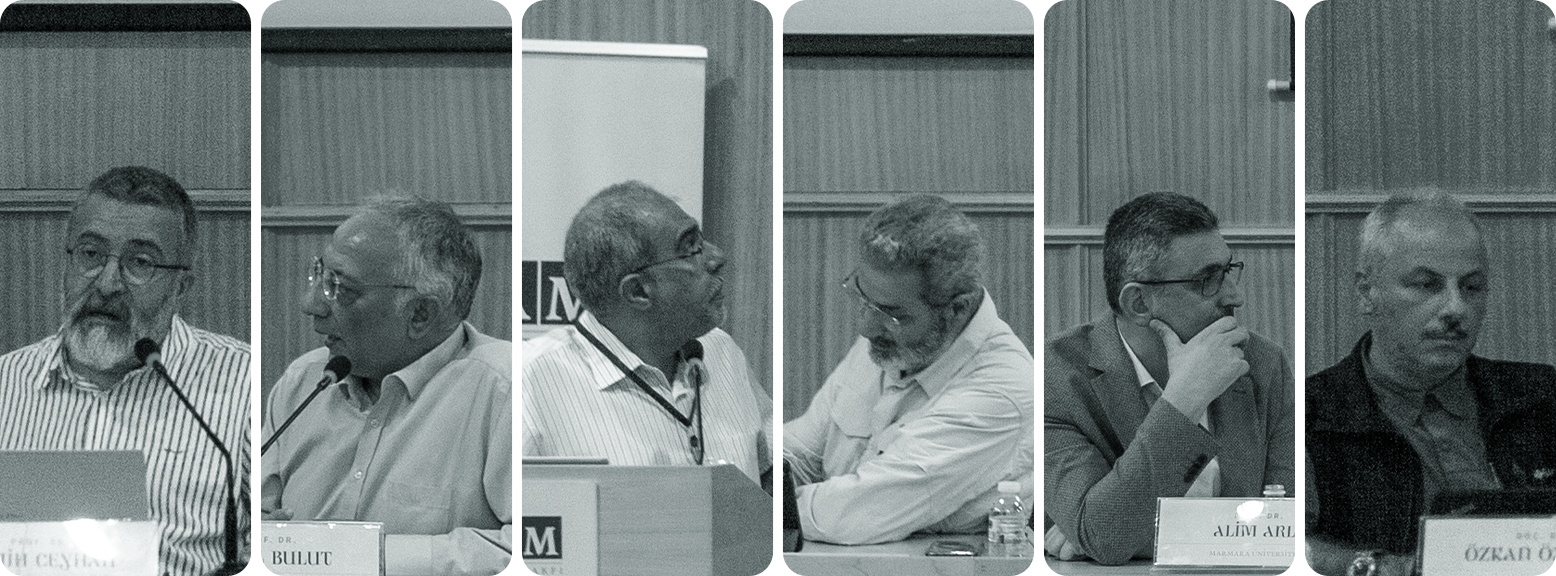
Between Verification (Tahqiq) and Compilation (Ta’lif): The Matter of Writing the Contemporary History of Sufism as a Human Experience, Literature, and Institution: Prof. Dr. Semih Ceyhan
Deliberation: Assoc. Prof. Özkan Öztürk
Ninth Session
How Can the History of Islamic Movements Be Periodized?: Prof. Dr. Mehmet Ali Büyükkara
Deliberation: Assoc. Prof. Vahdettin Işık
Tenth Session
Religion, Modernity, and Social Sciences: Prof. Dr. Alim Arlı
Deliberation: Prof. Dr. Yücel Bulut
In some of the papers presented at the workshop, explicit and clear periodization proposals regarding the relevant disciplines were put forward. In other presentations, focus was placed on the fundamental developments affecting the functioning of these fields in the contemporary era, pointing out the difficulty of a “sharp” periodization and emphasizing the criteria that should be considered if such an attempt were to be made. Through common themes recurring across the sessions, several key points emerged that could serve as a guide for a holistic periodization. While it is difficult to detail every viewpoint expressed for each discipline, it is possible to mention general findings that allow for a grasp of the structure, trajectory, and pivotal turning points of Islamic thought between the 18th and 21st centuries.
In this project, initiated with the aim of liberating the history of contemporary Islamic thought from periods determined by political history and the dominance of political turning points, the workshop outputs revealed a picture different from what was expected. In the majority of the presentations, the foregrounding of political events as turning points brought back into debate the conviction that contemporary Islamic thought is shaped by political and external factors rather than its own internal issues. Emphasizing the need to deliberate on this result in depth during the evaluation session, Assoc. Prof. İbrahim Halil Üçer highlighted that while this finding is significant, each era may possess its own unique axis of rupture (kırılma ekseni). These axes may be:Metaphysical in relation to constitutive principles; Epistemic in relation to formal principles; Socio-political-economic in relation to the stimulating environments that trigger transformations. In this vein, Üçer emphasized that the essence of any periodization attempt lies in identifying the primary axes of rupture and subsequently tracing the symptoms and concrete indicators of these ruptures.
Approaching history by prioritizing past political developments, or with the intent of pragmatically utilizing it for contemporary politics, prevents a healthy reading of intellectual history. In his presentation titled “The Problem of ‘Contemporaneity’ in the Historiography of Thought,” Prof. Dr. Tahsin Görgün stated that contemporary historiography is dominated by a discourse that constructs the entirety of human history as the history of the “Westernization” of societies. Görgün noted that Arnold Toynbee, with his work A Study of History, pioneered this discourse, treating the history of every civilization under the guise of “inter-civilizational relations” as a process leading toward Westernization. Evaluating this situation as the politicization of the historical outlook, Görgün pointed out that politicizing the historical perspectives of different groups is a highly effective method for governing a society where diverse political identities clash. Consequently, groups with different political affiliations utilize their shared past to ground their disparate political stances. This prevents the formation of a common understanding of history and constitutes one of the greatest obstacles to social unity. Therefore, sharpening our historical perspective requires us to protect ourselves from both instrumentalizing the past for our own political ends and the influence of a history already politicized by the currently dominant Western perspective.
The tendency to view human history as a history of Westernization experiences has become so pervasive that even Muslims have considered their own past within the framework of their relations with the West, rather than evaluating it through their own agency. Prof. Dr. Tahsin Görgün highlighted this by contrasting Johann Gottlieb Fichte’s notion of “I am what I do” with our current self-perception: “We are what has been done to us.” According to Görgün, a historical narrative that establishes that our nation exists as Muslim, and that Islam constitutes our ontological ground (varlık zemini), has yet to be produced. Unless this is achieved, the connection between Islamic sciences and our lives will remain severed. Indeed, in this workshop organized to periodize ‘contemporary’ Islamic thought, the term ‘contemporary’ should not be understood as ‘Westernization’ or as an integration into the dominant civilization of the age; rather, it should be conceived as the endeavor of Muslims to maintain their existence within the current era in accordance with their own civilizational values.
The primary expected outcome of this workshop, which individually examined the contemporary journeys of various scientific branches, is the establishment of fundamental parameters for a periodization that encompasses the entirety of Islamic thought. The degree to which the periods of individual scientific branches intersect has emerged as a key criterion for discussing a common periodization. However, as evidenced by the papers presented, establishing a unified periodization is not as straightforward as it might appear. Each science possesses its own unique historical trajectory, and the instances where these trajectories intersect with other disciplines are quite limited.
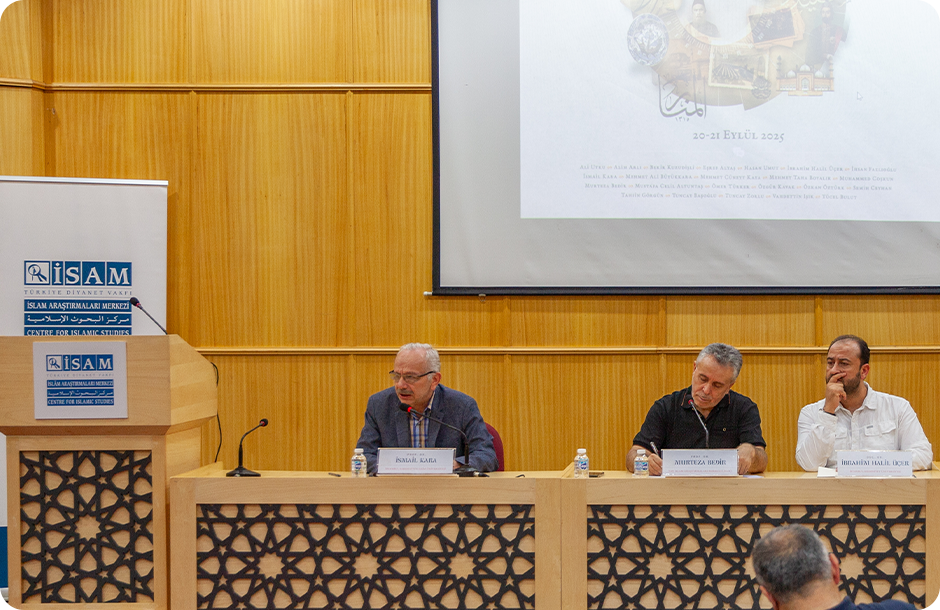
In this regard, Prof. Dr. İsmail Kara stated that if a common periodization attempt risks hindering our accurate understanding of the transformation of individual disciplines or leads to significant misconceptions, then such an undertaking is not a necessity. This evaluation is of great importance, as it draws attention to the fact that approaching history through a pre-determined schema may facilitate understanding and research on one hand, while carrying the risk of distorting reality on the other.
While the periods identified and proposed by expert academics for each branch of science vary, certain common themes and outlines become clear when the presentations are evaluated as a whole. One of the significant factors influential in the transformation of many disciplines addressed in the workshop is the madrasa-mektep bifurcation (medrese-mektep ayrışması) that emerged with the opening of modern schools (mekteps) during the late Ottoman period. With the establishment of law schools, Western law courses began to be taught, bringing about the conflict between fiqh and modern law, and the transition from classical jurisprudence to a modern legal framework. On the other hand, modern-educated intellectuals (mektepli münevverler) attributed special importance to Sufism, emphasizing its inclusive nature and its spiritual dimension in the face of the rising tide of materialism. Assoc. Prof. Semih Ceyhan characterized this trend as the “Sufism of the school” (mektebin tasavvufu), highlighting Sufism as a philosophical stance rather than a practical process of spiritual journeying (sayr-i suluq). In the field of hadith, the influence of Orientalist studies, which began earlier in Europe, reached Ottoman lands through Western-educated individuals; consequently, the first systematic curricula for the science of hadith were formed within these modern schools. Similarly, it is noteworthy that the representatives of the “New Science of Kalam” consisted largely of school-educated intellectuals. All these data collectively demonstrate that the madrasa-mektep dualism played a decisive role in the transformation of multiple disciplines.
Furthermore, the workshop highlighted significant findings that do not limit the transformation of sciences merely to institutional or educational changes but draw attention to the impact of technological advancements. Prof. Dr. Tuncay Zorlu’s emphasis that technological developments should not be ignored in the transformation processes of scholarly disciplines is particularly striking. Indeed, in many sessions, the effective use of the printing press in the Ottoman Empire and the recent emergence of digital possibilities were identified as pivotal turning points for the relevant disciplines. The spread of the printing press greatly facilitated access to books. This led to an increase in research concerning the authenticity (sihhat) of individual narrations in the field of hadith. In the field of fiqh, it led to a new approach, shaped by references to various legal works written throughout history, replacing a purely sectarian mode of thought. In the field of tafsir, a marked increase in production occurred with the popularization of concise (muhtasar) exegeses accessible to the general public. On the other hand, digitalization provided a basis for the popularization of the Sufi tradition—which essentially counsels the avoidance of fame (shuhrah)—representing the start of a new era for this field. These findings presented by the scholars clearly demonstrate that technological developments can be regarded as significant turning points across different scholarly disciplines.
Another critical point emphasized repeatedly across various contexts during the presentations and deliberations is the conversion of the Darülfünun—whose intellectual foundations trace back to 1846 and which survived through various transformations until the Republican era—into Istanbul University in 1933. As Prof. Dr. Alim Arlı underscored in his speech, the formation of the Darülfünun was a major turning point for the Ottoman State. While many modern innovations reached the Ottomans at relatively early dates, what we call “knowledge structures” arrived later, with the Darülfünun standing as the most significant example. Consequently, the transformation of this institution signifies the transformation of the very structure of knowledge.
Although it is commonly thought in Türkiye that the development of Islamic sciences was abruptly halted with the proclamation of the Republic, the papers presented at the workshop indicated that the production of Islamic thought continued until the closure of the Darülfünun. While the regulations enacted on March 3, 1924, closed the madrasas (one side of the dualistic education system), thereby ending “madrasa-based” Islamic thought at an official level, “school-based” (mektepli) Islamic thought persisted beyond this date. A significant portion of Muslim intellectuals educated during the Ottoman era continued to lecture and publish at the Darülfünun after the founding of the Republic. However, in 1933, following a report on the reform of the Darülfünun prepared by Albert Malche, a Professor of Pedagogy from the University of Geneva, the institution was abolished. Within the newly established Istanbul University, only 61 members of the previous teaching staff remained, while 82 were dismissed. This step toward the secularization of higher education was evaluated as a major turning point that disrupted the continuity of Islamic thought that had managed to survive into the Republican era.
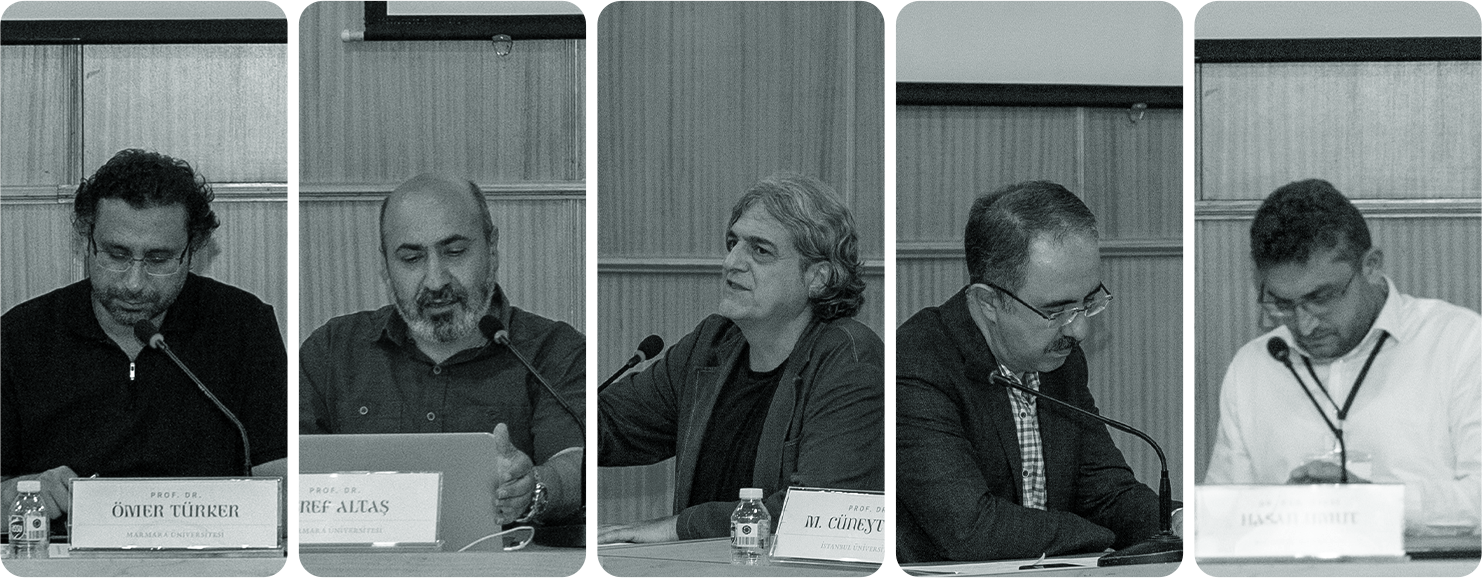
The observation that the production of Islamic thought in Türkiye was significantly hindered following the closure of the Darülfünun was voiced individually for many disciplines. A particularly striking point for the participants was Assoc. Prof. Eşref Altaş’s remark that no systematic work of kalam (speculative theology) was written until 1949; only two works were produced between 1949 and 1959, and only four between 1959 and 1982. This situation was repeatedly emphasized in subsequent sessions as a stark example illustrating the scale of the rupture in the institutional continuity of Islamic thought. The fact that a similar pattern applies to other disciplines within Türkiye necessitates a perspective for holistic periodization that is not only Anatolia-centered but also encompasses other regions of the Islamic world.
At this juncture, it is necessary to highlight the geographic diversity examined by the workshop. Participants frequently stressed that any proposed periodization must encompass the entire Islamic geography rather than just specific regions. It was noted that the crises experienced by Turkey were not mirrored in regions like Afghanistan and India, which possess vastly different historical experiences. However, the scholars acknowledged that many presentations were prepared from an Ottoman and Turkey-centered perspective. It was remarked that an Afghan researcher, looking at the proposed periodizations, might not see themselves in this historical narrative and might even say, “My story is not like this.” The localized perspective of some presentations stems from the limited accumulation of knowledge in the Turkish academy regarding the history of Islamic thought in regions such as Sub-Saharan Africa, Malaysia, Indonesia, Afghanistan, Pakistan, and India. Therefore, the need to further develop these presentations and increase research involving the intellectual experiences of Muslim societies in different geographies was emphasized. As a solution to the lack of information, collaboration with foreign researchers specializing in these regions was suggested; however, this approach was treated with caution due to the concern that it might compromise the unity of the periodization. The difficulty of creating an all-encompassing periodization necessitates an approach that proceeds through specific “central regions.” In this context, it is possible to consider whether the four-region model—centered on Turkey, Iran, Egypt, and India—proposed by Assoc. Prof. Tuncay Başoğlu specifically for the field of fiqh (jurisprudence), could be applicable to other disciplines. Identifying such centrally important regions for each discipline would transform the issue of inclusivity from an impossible goal into a reasonably solvable task.
Another facet of the geographic issue is the risk of attempting a periodization while excluding Western thought, which has left profound marks on contemporary Islamic thought. Prof. Dr. İhsan Fazlıoğlu highlighted this point during the opening panel, emphasizing that contemporary Islamic thought cannot be periodized without taking Western thought into account. According to Fazlıoğlu, many Muslim thinkers of this period—much like in our own context—did not possess a highly developed historical perspective or comprehensive historical data. For instance, Ahmed Cevdet Pasha might never have heard the names of many Ottoman scholars we know today or had access to their now-published texts. Therefore, it would be misleading to assume they held a holistic conception of history similar to ours. To accurately understand the intellectual responses of Ottoman or modern-era thinkers to the West, it is essential to uncover: How they perceived the West; Which ideas they received, in which periods, and to what extent; What meanings they attributed to specific concepts during this process. Otherwise, it remains impossible to evaluate the intellectual transformations they grappled with. For example, the use of the concept of “nature” (doğa) by late Ottoman scholars illustrates this issue: Did they use this term with an awareness of the post-Kantian evolution from “natural sciences” to “positive sciences,” or without noticing this distinction? Identifying such conceptual subtleties is mandatory for constructing an accurate intellectual map of the period. Consequently, Prof. Dr. Fazlıoğlu stated that a “conceptual dictionary” project—one that chronologically traces the semantic shifts of concepts through the historical process—is indispensable. These ideas were repeatedly cited and adopted in subsequent sessions. In this sense, the workshop can be seen as a starting point—or as Assoc. Prof. Tuncay Başoğlu put it—the foundation for works serving as both a “Western Thought Atlas” and a “Chronological Dictionary of Concepts.”
A characteristic feature of 18th–21st century Islamic thought, as emphasized in many workshop presentations, is the centering of the Qur’an and Sunnah to a degree not seen in previous eras. Drawing from Prof. Dr. Mehmet Ali Büyükkara’s periodization proposal for Islamic movements, the emphasis on returning to the Qur’an and Sunnah emerged under the ideas of renewal (tajdid) and reform (islah) during the Era of Imperialist Siege (1700–1850).
Two decisive factors influenced this transformation:
- The influence of Muhammad b. Abd al-Wahhab’s ideas.
- Emerging skepticism regarding the reliability of the Hadith corpus.
These factors led to the rise of two distinct modes of thought that did not rely on traditional continuity and defined themselves in opposition to one another. At the root of these approaches lies a common historical ground. Simultaneously with the long-term military, economic, and political defeats experienced by the Islamic world following Western technological advancements, the intellectual struggle fostered a tendency among many thinkers to attribute the source of the problem to tradition. In this process, the psychological feeling of defeat turned into a “search for a culprit.” This, combined with the fact that the West’s new physics-metaphysics-ethics paradigm clashed with the Islamic intellectual tradition at various points, led to a widespread tendency to develop an understanding of religion centered directly on the Qur’an and Sunnah—or even the Qur’an alone—to unburden oneself from the weight of tradition. While proponents viewed this as a “return to the authentic religious line of the beginning,” it essentially brought about a critical and negative view of history. Consequently, narratives emerged that characterized the vast historical experience of Muslims as a “dark age,” sometimes beginning this decline with the Umayyads, the emergence of Turks on the historical stage, or the founding of the Ottoman Empire. As a result, this approach, which devalues or even negates the continuity of tradition, has become a pervasive trend in contemporary Islamic thought.
These ideas have become so pervasive that even circles not directly affiliated with Salafism, Wahhabism, or Quranism have been influenced by the discourse of “returning to the Qur’an and Sunnah.” The traditional mechanism of producing thought within a denominational (madhhab) continuity has been largely abandoned in favor of attempts to develop new insights through direct recourse to the foundational texts of the early period. During this process, an orientation toward the comparative evaluation of sectarian views through a Qur’an and Sunnah-centered lens emerged. As Prof. Dr. Murteza Bedir pointed out in his presentation, with the appointment of Muhammad Mustafa al-Maraghi as the Grand Sheikh of al-Azhar, the curriculum was reformed; courses on Comparative Jurisprudence (al-fiqh al-muqaran) were introduced, and works were authored under this heading. Consequently, the fluidity between schools of law based on the Qur’an and Sunnah became more flexible. During this period, a new function—never before undertaken in history—was attributed to Legal Theory (usul al-fiqh); efforts to construct a new, supra-denominational jurisprudence directly from the Qur’an and Sunnah came to the fore. A similar trend has been observed in the field of kalam (speculative theology). As Prof. Dr. Ömer Türker noted during his deliberation, for a long time in Türkiye, theses were written on themes such as “Faith according to the Qur’an” or “Free Will according to the Qur’an.” While these studies seemingly fall within the discipline of kalam, they essentially bear the character of exegesis (tafsir). However, it remains debatable to what extent these texts meet the methodological criteria of a technical work of exegesis. This tendency manifested not only in kalam but across other Islamic disciplines; many fields began to be viewed fundamentally as an exegetical activity. As Prof. Dr. M. Taha Boyalık and Assoc. Prof. Muhammed Coşkun noted in the tafsir session, the primary task of exegesis in the classical period was to determine the linguistic meanings of verses, and it possessed a formation independent of sciences like fiqh and kalam. In previous eras, tafsir functioned to determine the indication (dalalah) of verses using principles borrowed from other disciplines. In contemporary Islamic thought, however, it has ascended to the position of the source of rulings and the foundational science that constructs all other disciplines. Consequently, while tafsir stood at the end of the educational hierarchy in the classical period, it has now become the center of the Islamic sciences. From the curricula of Imam-Hatip schools to the academy, tafsir is now positioned as the foundational discipline of Islamic thought.
It is also necessary to state that some criticisms regarding the project’s fundamental approach were voiced during the deliberations. In this context, Prof. Dr. Cüneyt Kaya suggested that periodization should not be overemphasized, stressing that periodization is not the cause but the result of a correct understanding of history. According to Kaya, as high-quality and in-depth academic studies are conducted on the “Era of Quests,” periodization will emerge naturally. To attempt a periodization without such rigorous research may not only fail to contribute to a better understanding but could also lead future studies to overlook crucial matters. In line with this critique, several scholars drew attention to the lack of knowledge regarding the pre-18th-century era. Specifically, it was voiced that there is no sufficiently clear picture in our minds regarding the events between the 14th and 18th centuries; thus, studying the 18th–21st centuries without understanding this preceding period could be methodologically problematic. In this context, it was emphasized that rather than focusing solely on the modern era, the scholarly and intellectual continuities of the previous centuries must also be examined in detail.
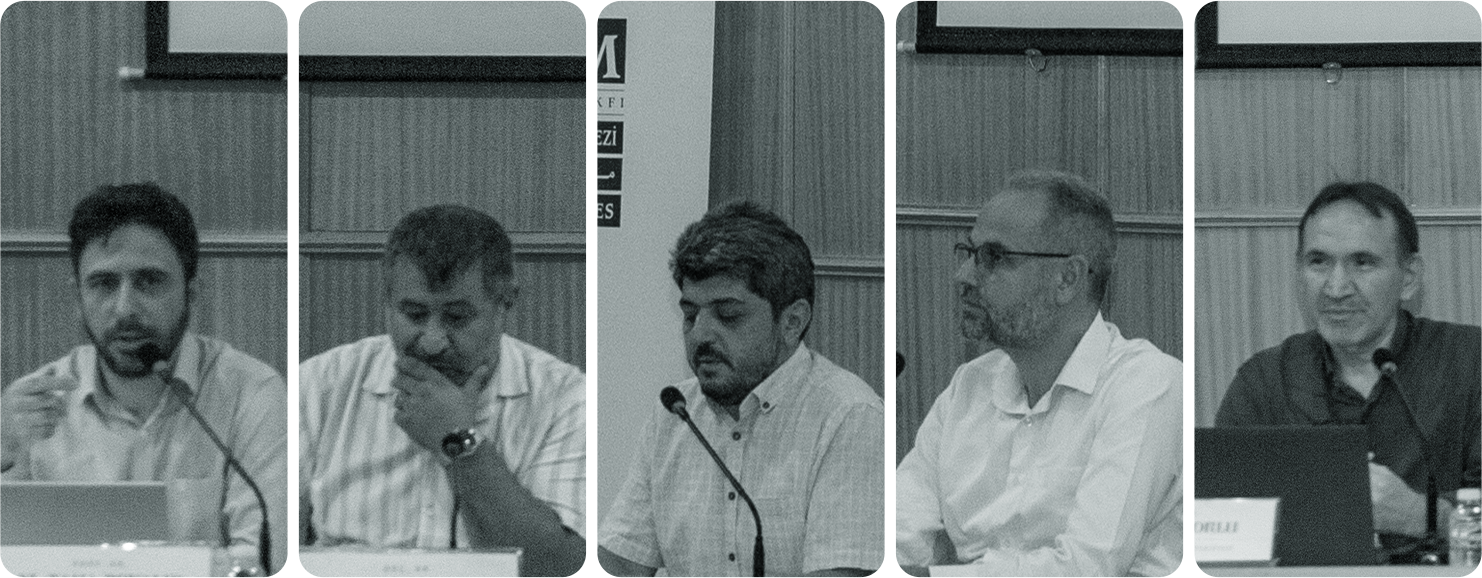
A notable aspect observed in many presentations was the tendency of scholars to classify the most recent period as a positive “new era.” For instance, Prof. Dr. Murteza Bedir noted a returning trend toward denominational (madhhab-based) legal thought, while Prof. Dr. Bekir Kuzudişli stated that the long-standing Wahhabi authority over the science of hadith is beginning to falter. A similar optimism was observed across other disciplines. While awareness of Islamic political thought was extremely limited only 20–30 years ago, today, through the works of researchers like Prof. Dr. Özgür Kavak, an independent discipline under the name of “Islamic Political Thought” is emerging. This new orientation brings back to the agenda a vast corpus ranging from Ahkâmü’s-Sultâniyye, Siyasetnâme, and Nasihatnâme literature to the Siyar, Kharaj, and Hisba sections of jurisprudence books, as well as works of kalam and philosophy. Furthermore, the previous consensus—influenced by Orientalist claims—that Islamic thought stagnated after al-Ghazali has been largely abandoned. Countless classical works covering the post-Ghazali era have been translated into Turkish, and high-quality theses and books have been authored on various subjects and figures. These developments suggest that the 21st century represents a promising period for the trajectory of Islamic thought.
However, scholars also highlighted a significant deficiency: while the number of high-quality historical studies has increased, these works are primarily aimed at illuminating historical processes. They have not yet reached the stage of producing solutions to contemporary theoretical (nazarî) problems within the internal mechanisms of kalam, fiqh, or tasavvuf. The primary reason for this is the multi-faceted nature of the crisis facing Muslims and the disruption of continuity in intellectual production due to political reasons across various geographies. In the absence of such continuity, researchers have turned to the depths of history to find a guiding light for current theoretical crises. Because the “ability to engage with opposing ideas” and the “skill to transform received elements into a new theoretical ground” were not naturally inherited from the previous generation, contemporary researchers have been forced to rediscover this heritage from the “dusty shelves of libraries.” Consequently, the trend has favored the rediscovery of existing historical thought rather than original theoretical production.
Another reason for this trend is the increasing academicization of the field. With the closure of madrasas in Türkiye, the tradition attempted to survive underground, but due to a lack of resources, it focused on preserving popular piety rather than theoretical debate. Thus, intellectual production shifted to Faculties of Theology—an academic ground. As a secular institution, the university often finds it impossible to conduct direct research on the nature of a servant’s obligations to God or the quality of spiritual proximity (qurbiyyah). Therefore, Islamic sciences have survived in the secular academic context primarily as objective disciplines that historically examine the thoughts produced by Muslims of a certain period. An anecdote shared by Prof. Dr. Bekir Kuzudişli illustrates this: when a foreign academic asked him who the current authority is in Türkiye for resolving disputes over the authenticity of a hadith or the criticism of a narrator (jarh and ta’dil), Prof. Kuzudişli replied, “We are no longer interested in such things.” This clearly shows that academic hadith studies have shifted from performing jarh-ta’dil in the classical sense to examining how that mechanism functioned historically and methodologically.
Despite these challenges, there is an increasing orientation toward contemporary intellectual and social “wounds” in Türkiye. Historical research is beginning to prepare the ground for current thought production. It is possible for a scholarly world that has lost its historical continuity to experience a theoretical revival through decades of history-of-thought studies. In this context, the project’s periodization attempt serves a vital function. However, to look at history from a “perfect” periodization perspective, one must rely on a specific physics-metaphysics-ethics position. Periodization is an activity performed with a conception of “what the end is.” Since a holistic Islamic understanding that fully engages with Western thought has not yet been constructed, any periodization attempt remains inevitably incomplete. Nevertheless, Assoc. Prof. İbrahim Halil Üçer emphasized several times that this project is a “heuristic” (experimental/exploratory) initiative. Its goal is not to present a definitive periodization but to develop a first-hand proposal through trial and error. This aims to prevent researchers from either remaining dependent on Western-centric periodizations or conducting scattered studies on specific topics lacking a universal (küllî) framework. Despite its shortcomings, this framework provides direction and context to research from our own perspective, paving the way for a more comprehensive periodization through every critique and contribution. Ultimately, the project carries an exciting horizon for the reconstruction of Islamic thought.
|
Ahmet Tarık Aksan He graduated from Marmara University, Faculty of Theology in 2020. He completed his Master’s degree at Marmara University, Institute of Social Sciences, Department of Kalam in 2024, with a thesis titled ‘Ibn Sina’s (Avicenna) Concept of Mental Existence and Universality and Fakhr al-Din al-Razi’s Criticisms.’ Currently, he is pursuing his PhD in the Department of Kalam at Marmara University, Institute of Social Sciences. Simultaneously, he serves as a Research Assistant in the field of Contemporary Islamic Thought at the Centre for Islamic Studies (ISAM) of the Türkiye Diyanet Foundation. His primary research interests include Logic, Kalam and Philosophy.
|
|
Yusuf Kazım Buyruk He graduated from Ibn Haldun University with a degree in Political Science and International Relations in 2023. Subsequently, he completed his Master’s degree in International Relations at Marmara University (2025). He is currently pursuing his PhD in Middle Eastern Political History and International Relations at the Institute of Middle East and Islamic Countries at Marmara University. He works at the Centre for Islamic Studies (ISAM) within the Turkiye Diyanet Foundation (TDV). His research interests include Islamic Political Thought, Comparative Politics, and Middle Eastern Politics.
|
Ahmet Tarık Aksan
He graduated from Marmara University, Faculty of Theology in 2020. He completed his Master’s degree at Marmara University, Institute of Social Sciences, Department of Kalam in 2024, with a thesis titled ‘Ibn Sina’s (Avicenna) Concept of Mental Existence and Universality and Fakhr al-Din al-Razi’s Criticisms.’ Currently, he is pursuing his PhD in the Department of Kalam at Marmara University, Institute of Social Sciences. Simultaneously, he serves as a Research Assistant in the field of Contemporary Islamic Thought at the Centre for Islamic Studies (ISAM) of the Türkiye Diyanet Foundation. His primary research interests include Logic, Kalam and Philosophy.
Yusuf Kazım Buyruk
He graduated from Ibn Haldun University with a degree in Political Science and International Relations in 2023. Subsequently, he completed his Master’s degree in International Relations at Marmara University (2025). He is currently pursuing his PhD in Middle Eastern Political History and International Relations at the Institute of Middle East and Islamic Countries at Marmara University. He works at the Centre for Islamic Studies (ISAM) within the Turkiye Diyanet Foundation (TDV). His research interests include Islamic Political Thought, Comparative Politics, and Middle Eastern Politics.